How Blackland Prairie Clay Affects Foundations in Princeton TX

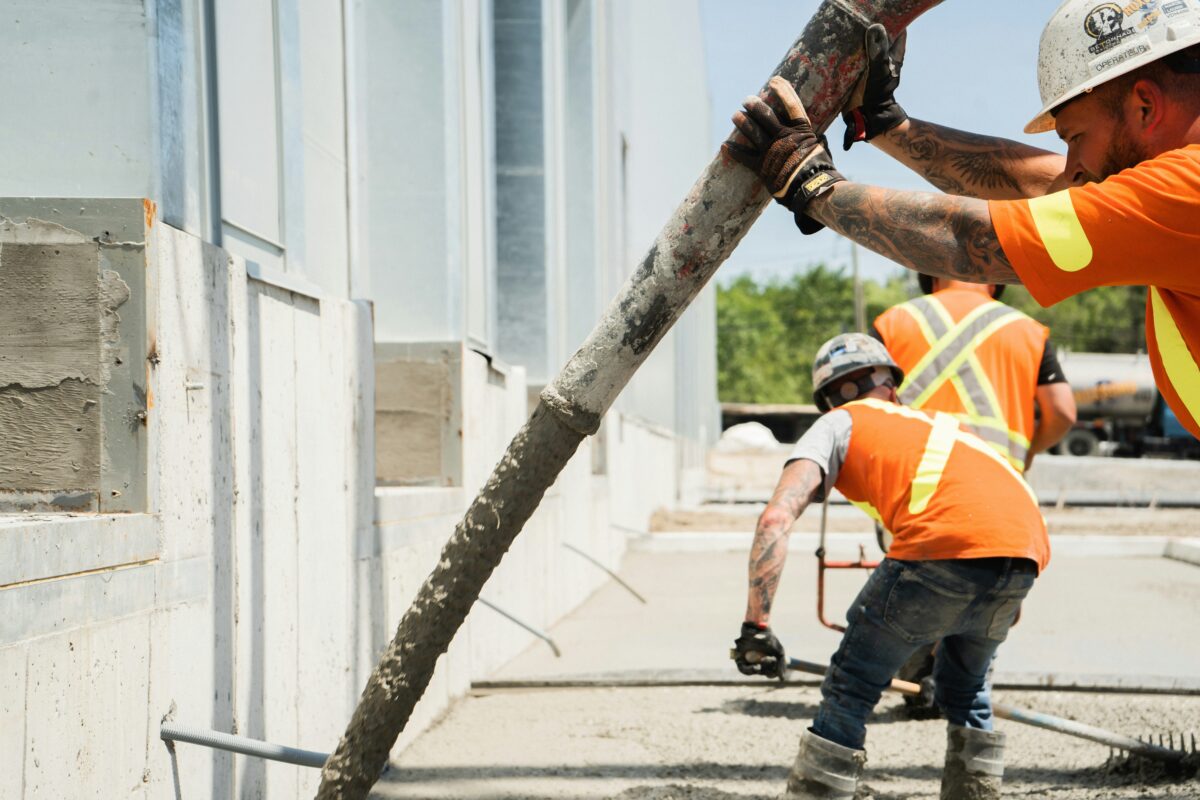
If you own a home in Princeton, Texas, understanding the soil beneath your property is essential to protecting your foundation. Princeton sits squarely on the Blackland Prairie — a geological region stretching across Central and North Texas known for its rich, dark clay soils. While this soil was once ideal for cotton farming, it presents serious challenges for modern foundations in Princeton and throughout Collin County.
What Is Blackland Prairie Clay?
The dominant soil type in Princeton is Houston Black clay, a vertisol that expands dramatically when wet and contracts significantly during dry periods. This constant cycle of swelling and shrinking creates enormous pressure on foundations — sometimes exceeding 15,000 pounds per square foot. For Princeton homeowners, this means the ground beneath your home is never truly stable. The clay content in Princeton’s soil is among the highest in the DFW Metroplex, making foundation movement a near-certainty over time.
How Clay Soil Damages Princeton Foundations
During North Texas drought cycles — which are becoming increasingly common — the Houston Black clay beneath Princeton homes shrinks and pulls away from foundations. This creates voids that allow the slab to settle unevenly. When the rains return, the clay expands rapidly, pushing upward with tremendous force. This repeated cycle of expansion and contraction is the primary driver of foundation damage in Princeton, McKinney, Anna, and other Collin County communities built on Blackland Prairie soil.
Princeton homeowners in newer subdivisions like Whitewing Trails, Sicily, and Princeton Lake are particularly vulnerable. Many of these developments were built on former agricultural land that had been farmed for decades. The USDA has rated much of this converted farmland as “very limited for building” due to the extreme clay content. Homes built between 2018 and 2024 in Princeton are now reaching the 2-to-7-year age range where initial settlement symptoms typically appear.
Warning Signs of Clay-Related Foundation Damage
Princeton homeowners should watch for these indicators that Blackland Prairie clay is affecting their foundation: diagonal cracks radiating from window and door corners, doors that stick or fail to latch properly, visible gaps between walls and ceilings, uneven or sloping floors, and cracks in exterior brick veneer. In Princeton’s rapidly growing neighborhoods along the US 380 corridor, these signs are becoming increasingly common as homes age and experience their first full drought-rain cycles.
Protecting Your Princeton Foundation from Clay Damage
The most effective defense against clay-related foundation damage in Princeton starts with proper moisture management. Maintaining consistent moisture levels around your foundation helps minimize the expansion and contraction cycles. This includes proper gutter drainage, strategic watering during dry spells, and ensuring adequate grading around your Princeton home’s perimeter.
For Princeton homes already showing signs of clay-related foundation movement, professional assessment is critical. A qualified foundation repair specialist familiar with Collin County’s Blackland Prairie conditions can evaluate the extent of damage and recommend appropriate solutions — whether that’s pier installation, drainage correction, or a combination of approaches tailored to Princeton’s unique soil challenges.
Related Reading
- Signs Your Princeton TX Home Needs Foundation Repair Now
- Princeton TX Foundation Repair: What Every Homeowner Should Know
If you’ve noticed foundation issues at your Princeton home, don’t wait for the next drought cycle to make them worse. Call (972) 945-6618 for a free foundation inspection. We serve Princeton, McKinney, Anna, Melissa, Celina, and communities throughout Collin County.