Top 5 Foundation Problems in New Princeton TX Subdivisions

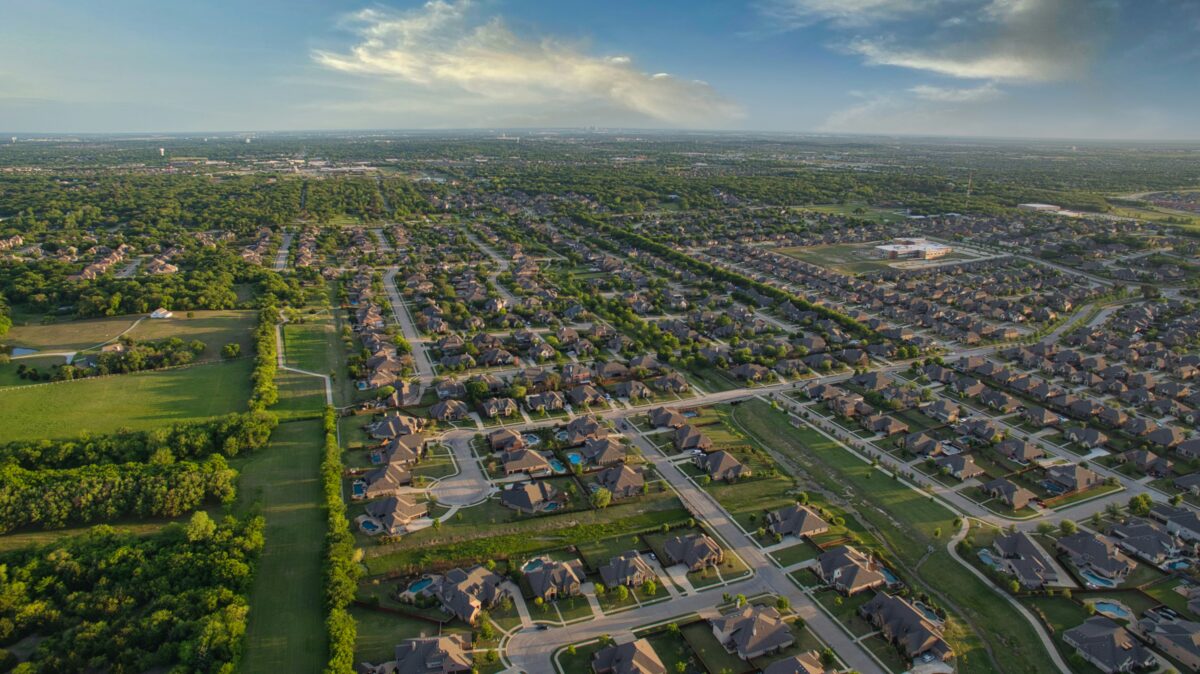
Princeton, Texas has experienced explosive growth over the past five years, transforming from a quiet farming community of under 7,000 residents to a thriving city of approximately 42,000. Named the third fastest-growing city in the United States between 2022 and 2023, Princeton’s new subdivisions are now home to thousands of families — many of whom are encountering foundation challenges for the first time. Here are the five most common foundation problems we see in Princeton’s newer neighborhoods.
1. Slab Settlement in Former Agricultural Land
Most of Princeton’s new subdivisions — including Whitewing Trails, Sicily, and Winchester Crossing — were built on land that served as cotton farms and cattle ranches for generations. This former agricultural land in Princeton contains Blackland Prairie clay that has been compacted and worked differently than virgin soil. When builders grade and prepare these Princeton lots for construction, the disturbed soil doesn’t always settle uniformly. Within 2-5 years of construction, many Princeton homeowners notice uneven floors and interior cracks as the foundation adjusts to the soil beneath it.
2. Poor Drainage Design Around New Princeton Homes
Rapid development in Princeton has sometimes outpaced infrastructure planning. Some newer Princeton subdivisions along the US 380 corridor experience drainage issues where water pools near foundations rather than flowing away. When water saturates the Houston Black clay around a Princeton foundation, the soil expands with tremendous force. Combined with the natural slope variations in Collin County terrain, inadequate drainage is one of the top reasons new Princeton homes develop foundation problems within their first few years.
3. Drywall Cracks from Initial Settlement
Interior drywall cracks are among the first signs Princeton homeowners notice in newer construction. While hairline cracks can be normal settling, diagonal cracks spreading from window corners, door frames, or where walls meet ceilings in Princeton homes often indicate more significant foundation movement. In Princeton’s clay-heavy soil conditions, these cracks tend to worsen during the hot, dry summer months when moisture leaves the soil rapidly.
4. sticking doors and Windows in Princeton Subdivisions
Many Princeton homeowners in developments like Princeton Lake, Bridgewater, and Monticello Park report doors and windows that increasingly stick, bind, or fail to close properly. This is a classic symptom of differential foundation settlement — where one portion of the slab moves more than another. In Princeton’s Blackland Prairie soil, this differential movement is driven by uneven moisture distribution beneath the foundation. The side of a Princeton home that gets more sun exposure dries out faster, creating asymmetric soil shrinkage.
5. Exterior Brick Veneer Cracking
Stair-step cracks in brick mortar joints are common across Princeton’s newer subdivisions. Because brick veneer is rigid while a Princeton foundation may flex slightly with soil movement, the brick is often the first building material to show visible damage. Princeton homeowners in Collin County should pay particular attention to brick cracks wider than 1/4 inch, as these often indicate foundation displacement that requires professional evaluation.
What Princeton Homeowners Should Do
If your Princeton home is showing any of these signs, early intervention is key. Foundation problems in Princeton’s clay soil rarely resolve themselves — they typically worsen with each drought and rain cycle North Texas experiences. A professional foundation inspection can determine whether your Princeton home needs immediate repair or if the issues can be managed through preventive measures like improved drainage.
Related Reading
- How Blackland Prairie Clay Affects Foundations in Princeton TX
- Signs Your Princeton TX Home Needs Foundation Repair Now
Serving Princeton, McKinney, Anna, Melissa, and all of Collin County, we offer free foundation inspections for homeowners concerned about their property. Call (972) 945-6618 to schedule yours today.